When it comes to getting the best mix of power, efficiency and durability out of an engine, cooling is what separates the best from the rest. Heat exchangers and intercoolers are both designed to cool the fluids entering or leaving the engine, and optimizing this process allows for better combustion, lower mechanical stresses, and more power.
Intercoolers vs. Heat Exchangers
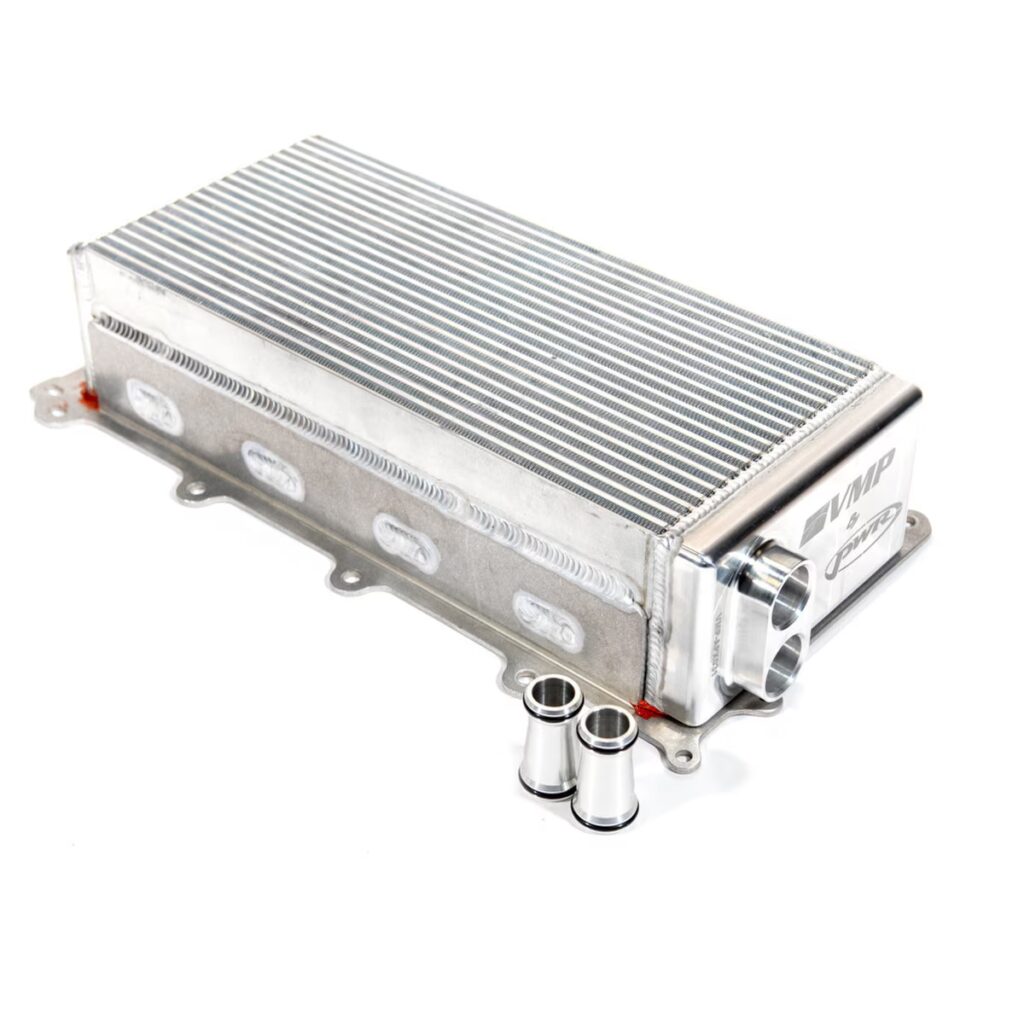
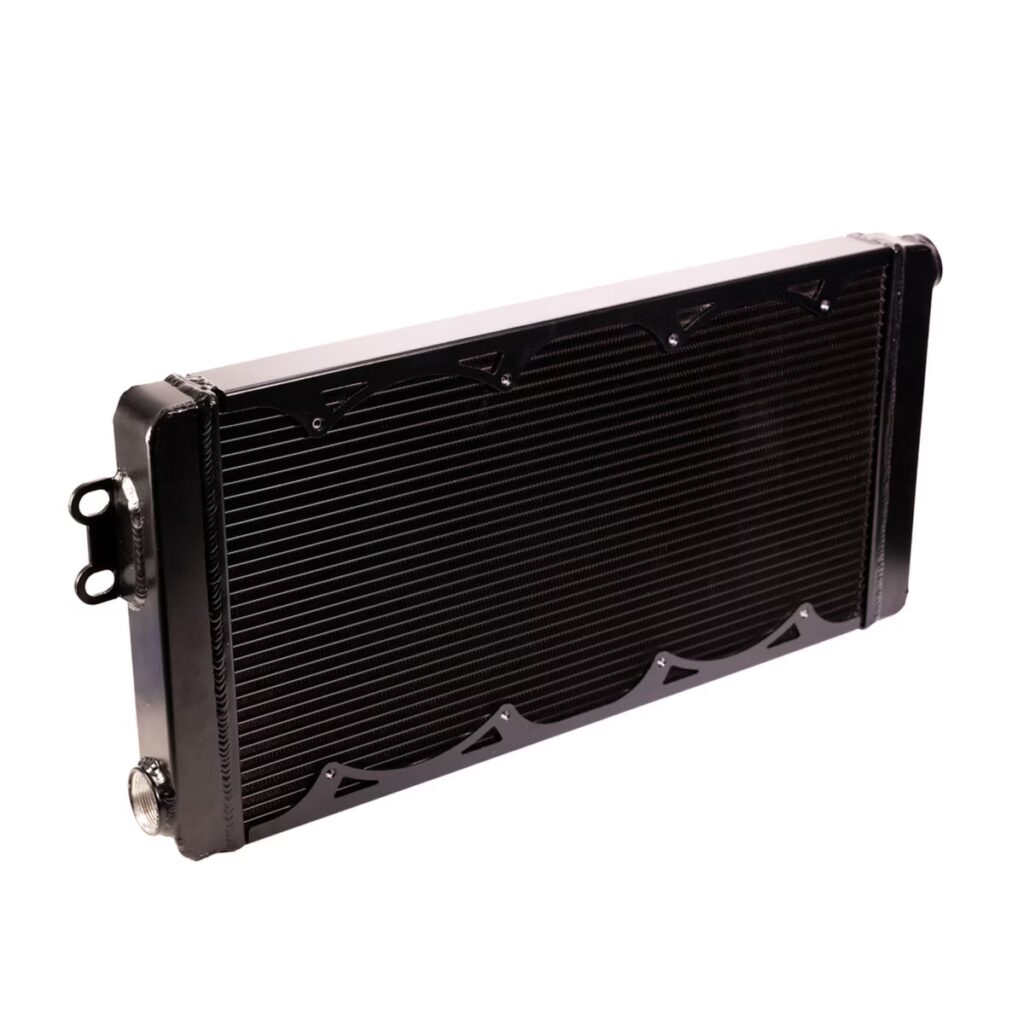
An intercooler is housed directly inside or underneath the supercharger manifold. When a supercharger compresses air, that air becomes extremely hot. The intercooler core sits right in the path of this hot air. Its job is to cool the compressed air before it enters the engine cylinders by transferring the heat into a liquid coolant (water/antifreeze) that flows through the core.
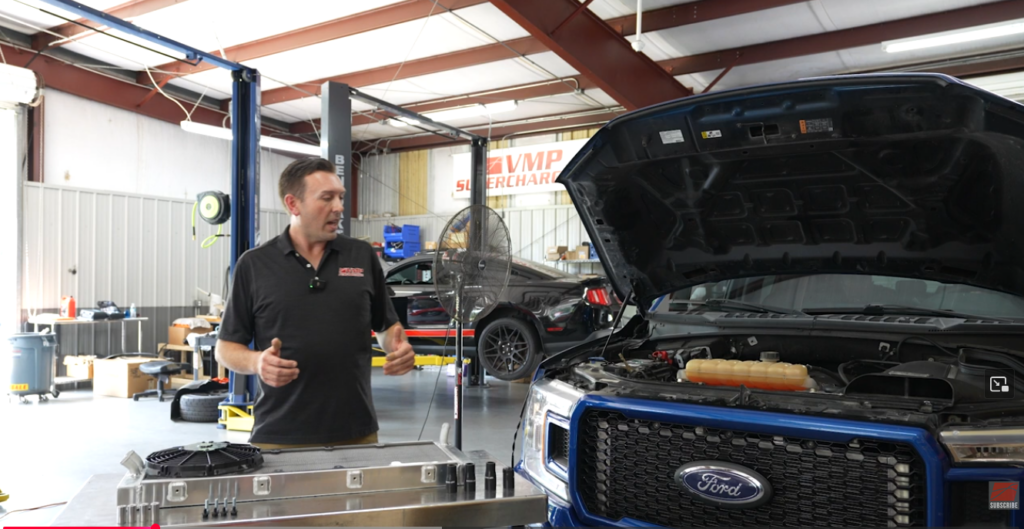
A heat exchanger is mounted at the front of the vehicle, typically behind the grille or bumper. Once the liquid coolant absorbs the intense heat from the internal intercooler core, it is pumped out to the front of the vehicle. The heat exchanger’s job is to cool the hot liquid coolant by exposing it to outside ambient air. Once cooled, the fluid is pumped back to the intercooler core to start the cycle over.
The end goal is to keep fluid temperatures low and avoid heat soak and high Intake Air Temperatures (IATs) so that the engine receives a dense oxygen charge and can deliver reliable, repeatable horsepower without fading after a few hard pulls. Otherwise, the ECU is likely to pull ignition timing to prevent engine knock and potential mechanical damage.
Will a Heat Exchanger or Intercooler Add Horsepower?

Upgrading your heat exchanger won’t add peak horsepower on a single cold dyno run – but it will assist with recovery after a pull. In intercooler cores, the fin and bar designs can be altered (and have been altered in many of our offerings) in ways that improve airflow and subsequently increase horsepower while managing IATs and recovery.
Also keep in mind that the biggest job these components handle is heat soak prevention. An upgraded cooling system is going to help you maintain lower IATs so the engine retains its full ignition timing and output during repeated hard pulls, ensuring that your 10th pull will deliver the same kind of power as the first one.
Should I Choose a Single-, Dual-, or Triple-Pass Heat Exchanger?
Single-pass systems maximize fluid flow rate for basic setups, dual-pass offers a good balance of flow and cooling efficiency for general street use, but triple-pass is the best choice for maximum thermal heat transfer under heavy-duty use.
At VMP Performance, we specialize in custom-built heat exchangers designed to handle the extreme temps generated by serious supercharger setups. Triple-pass exchangers are ideal for heavily-modded vehicles, and many of our systems can be configured to function as single or dual pass setups as well. Get in touch with us to customize the best system for your vehicle.
Should I Upgrade the Intercooler Pump and/or Add a Fluid Reservoir?


Both are a great addition to your intercooler/heat exchanger combo – here’s why:
- An upgraded, thicker core increases internal fluid drag. Continuing to use a weak pump can cause the fluid to move too slowly, rendering the extra cooling surface area of the brick ineffective. Upgrading to a higher-flow pump is a good idea – it’ll make sure you get optimal fluid velocity through the loop.
- Additionally, increasing total fluid volume acts as another thermal buffer. It takes longer for a larger volume of fluid to heat up, delaying heat soak. Trunk-mounted ice tanks are a perfect fix – they’ll allow you to pack ice directly into the loop between runs for sub-ambient IATs.
VMP Performance Cooling Components
If you are serious about your supercharger upgrade, improving the cooling system is an essential part of your build. It ensures that you maintain peak performance regardless of the ambient temperatures or driving conditions.
From our Big Freaking Grill heat exchanger to our huge selection of intercooler bricks, every part is designed for serious cooling, and is engineered to perfection for your exact application.
| Feature | VMP Heat Exchangers | VMP Intercooler Cores (Bricks) |
|---|---|---|
| What it Cools | The liquid coolant. | The compressed engine air. |
| Where it Sits | Outside the engine at the front of the car. | Inside the supercharger manifold. |
| How it Works | Transfers heat from the fluid into the outside air. | Transfers heat from the engine air into the fluid. |
| Typical Upgrades | Triple-pass fluid routing, adding dual electric fans. | Thicker core designs (PWR), high-flow manifolds, velocity pans. |
Call, email, or stop by to connect with real enthusiasts who know everything there is to know about supercharger cooling upgrades. Let us help you elevate your build to the next level!
Sign Up For Our Newsletter
Stay up-to-date to get up-to-date information on new products, news, and VMP sales!