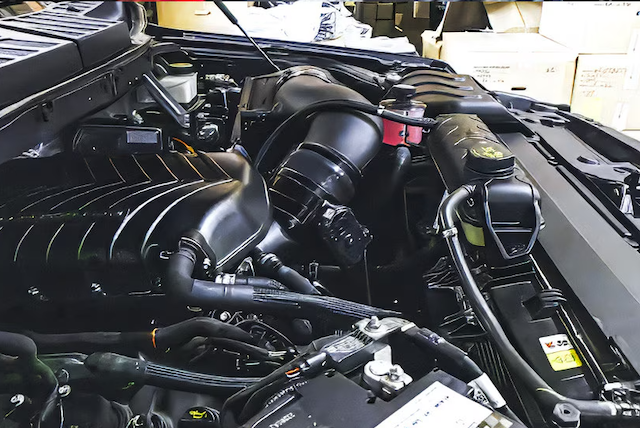
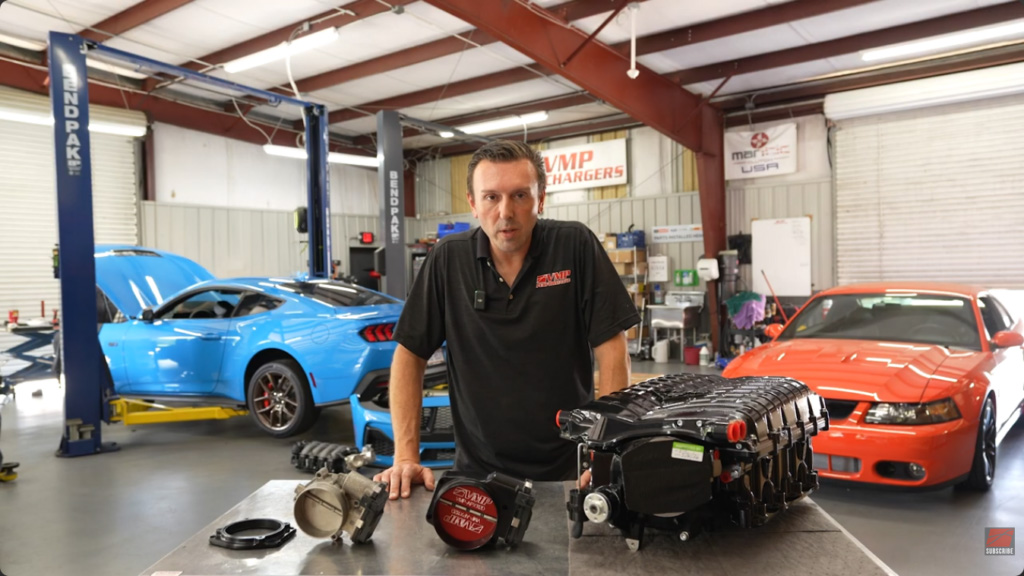
So, you’re ready for serious torque. We get it.
Adding a positive displacement supercharger completely transforms your vehicle. But before you hit ‘Add to Cart’ on your new build, you need to look at the whole car.
The good news? If you’re looking at a VMP Supercharger kit, we’ve already done the heavy lifting for you. Piecing together forced induction usually means stressing over complicated fueling math, heat exchanger capacities, and injector duty cycles. Our kits are engineered to be comprehensive out of the box, covering your fueling, cooling, and tuning needs for pump gas.
Because we’ve got the top of the engine covered, your job is simply to make sure the rest of your car is ready to handle an extra 200 to 400 horsepower. Here is how to confirm your chassis and drivetrain are ready for boost.
1. Weak Links in the Block
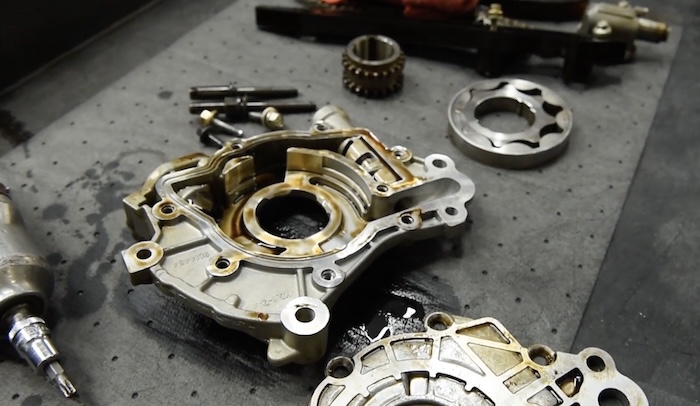

Adding 200 to 400 horsepower exposes the weakest links in your factory engine real quick. If you’re building a Coyote, for example, the factory Oil Pump Gears (OPGs) and Crankshaft Sprocket Gear (CSG) are notoriously brittle powdered metal, produced via sintering (more on that process below). If you plan on bouncing off the rev limiter, running a 2-step, or just pushing big boost, swapping in billet OPGs and a crank sprocket before the blower goes on is cheap insurance against engine failure.
Sintered Metal vs. Billet
Sintering transforms powdered metals into a solid, dense object using heat and pressure, without ever crossing the metal’s melting point. It’s highly cost-effective for mass manufacturing and allows automakers to produce parts with complex shapes and precise dimensions quickly, while generating almost zero material waste. Here’s how the process works for many Ford CSGs:
- Compaction: Fine metal powder is pressed into a mold (die) under extreme pressure. This creates a “green” part that temporarily holds the desired shape but remains relatively fragile.
- Heating: The compacted shape is placed in a controlled furnace and heated to a temperature just below its melting point.
- Atomic Diffusion: The heat causes the atoms within the individual powder particles to diffuse across their boundaries. The particles fuse together, shrinking the microscopic pores between them and forming a rigid, unified structure.
While sintered metal is adequate for standard factory applications, the microscopic porosity left behind during the fusing process makes the material inherently brittle. Under extreme stress, high RPMs, or the sudden shock of a supercharger load, sintered engine components (like factory oil pump gears or crankshaft sprockets) are prone to shattering.
In contrast, billet parts are CNC-machined directly from a single, solid block of forged metal. Because the metal’s grain structure is continuous and free of pores, billet components offer superior structural integrity.
2. The Drivetrain: Holding the Torque
Horsepower means nothing if your transmission can’t transfer it to the driveshaft.
- Manuals (MT82): Your stock clutch is going to hate you once the boost hits. Budget for a high-torque twin-disc setup that can handle the abuse of a supercharger without feeling like a leg press in stop-and-go traffic.
- Automatics (10R80 / 6R80): Transmission calibration is vital to handle the increased torque capacity without slipping the clutches. Fortunately, if you utilize VMP’s tuning services, our calibrations ensure your auto shifts crisply and safely under load.
3. Putting it to the Ground: Axles and Traction
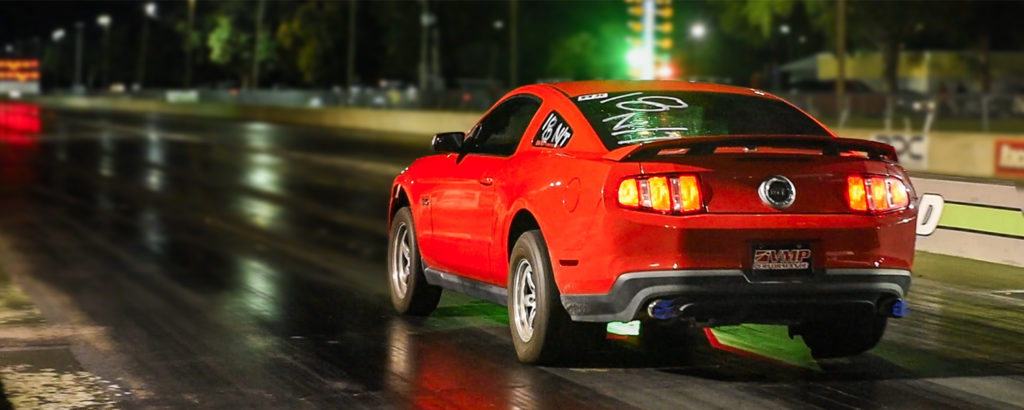
Factory independent rear suspension (IRS) axles are essentially glass when subjected to a sticky drag radial and a hard hit of supercharged torque.
If you plan on doing hard launches at the track or running a heavy drag radial, upgrading to 1400hp or 2000hp aftermarket half-shafts will keep you from needing a tow truck after a dig. Pair those with a quality set of rear tires, and your car will actually put its new power to the pavement instead of just turning it into tire smoke.
What You Don’t Need to Worry About: The VMP Advantage
When you buy a complete VMP Supercharger system, we eliminate the guesswork that usually plagues forced induction builds.
- Fueling: You don’t need to stress about your injectors going static and running lean. Our complete kits include properly sized injectors and fuel delivery solutions designed to seamlessly support 93 octane right out of the box. (Note: If you plan to run E85 down the road, you will need to upgrade to a return-style fuel system, which we can also help you spec!)
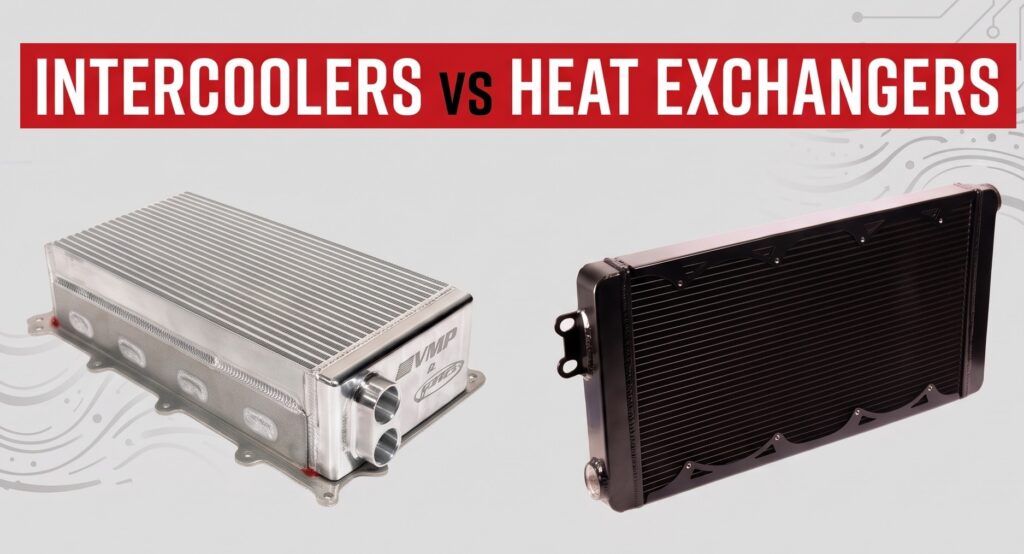
- Thermal Management: Compressing air creates massive heat, but our kits include a high-capacity heat exchanger and high-flow intercooler pump system engineered specifically for your blower.
- Calibration: You can have the best hardware on the planet, but it needs the right tune. We offer world-class calibration to ensure your new hardware runs safely, reliably, and powerfully.
Ready to Start Your Build?
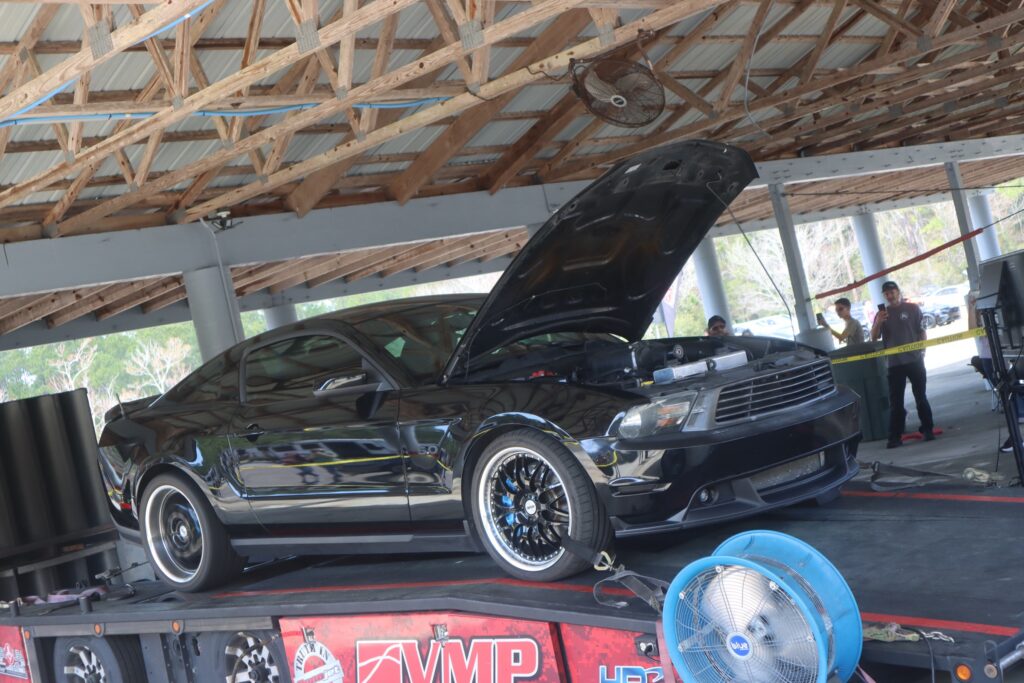

Taking your car to the next level requires a holistic approach. You prep the chassis, and we provide the ultimate bolt-on power solution. If you are ready to make the leap into boost, we are here to help you do it right the first time. Reach out to our team today to spec out the perfect VMP supercharger kit for your exact goals.
Sign Up For Our Newsletter
Stay up-to-date to get up-to-date information on new products, news, and VMP sales!